
Teflon Brake Lines: The Ultimate Upgrade for Performance 、Safety
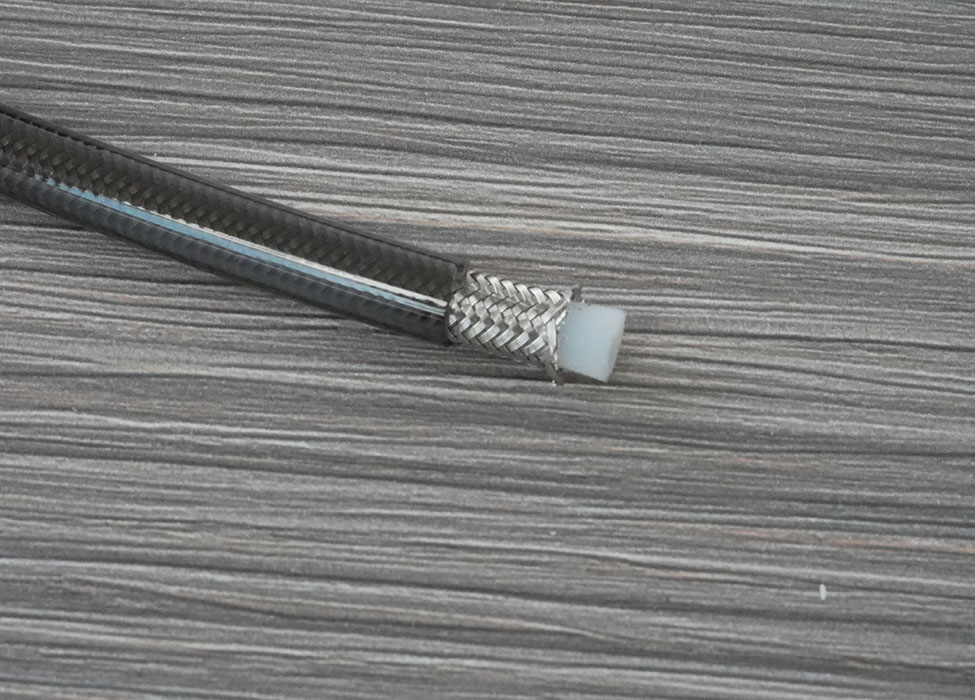
When it comes to vehicle safety and performance, few components are as crucial as the braking system. Among the many upgrade options available today, Teflon brake lines (also known as PTFE brake hoses) stand out as one of the most effective improvements for drivers seeking better pedal feel, greater durability, and more reliable performance.
In this guide, we'll explain what Teflon brake lines are, how they work, their advantages over traditional rubber hoses, and why they are becoming increasingly popular in street and racing applications.
I. What are Teflon Brake Lines?
Teflon brake lines are brake hoses with a PTFE (polytetrafluoroethylene) core, commonly known as DuPont Teflon. Polytetrafluoroethylene (PTFE) is a high-performance fluoropolymer known for the following properties:
* Excellent heat resistance
* Chemical stability
* Low coefficient of friction
* Pressure resistance
Unlike traditional rubber brake hoses, PTFE brake lines are typically reinforced with a stainless steel braided outer layer. This braided structure prevents the line from expanding under hydraulic pressure, ensuring stable braking performance.
II. Working Principle of PTFE Brake Lines
The braking system relies on hydraulic pressure. When the brake pedal is depressed, brake fluid flows through the brake lines, actuating the brake calipers.
Using traditional rubber hoses:
* The line expands slightly under pressure.
* This expansion reduces hydraulic efficiency.
* This results in a softer or "mushy" feel to the brake pedal.
Using PTFE brake lines:
* The PTFE inner core prevents expansion.
* The stainless steel braided layer enhances structural integrity.
* Hydraulic transmission is more direct.
* A more stable pedal feel and more responsive handling.
III. Key Advantages of Teflon Brake Lines
1. Improved Brake Pedal Feel
One of the most significant advantages is the more solid and stable pedal response. Drivers typically report improved handling, especially during hard braking or track driving.
2. Superior Heat Resistance
Braking systems generate significant heat, especially in high-performance vehicles. Polytetrafluoroethylene (PTFE) can withstand extreme temperatures without performance degradation, making Teflon brake lines ideal for racing and heavy-duty applications.
3. Higher Pressure Resistance
Compared to rubber lines, stainless steel braided Teflon lines can withstand higher hydraulic pressure, reducing the risk of swelling or rupture.
4. Enhanced Durability
Rubber lines can crack, dry out, or age over time due to:
* UV exposure
* Moisture
* Road salt
* Brake fluid contamination
Teflon brake lines offer a longer service life and greater resistance to environmental damage. 5. Chemical Resistance
Polytetrafluoroethylene (PTFE) exhibits exceptional resistance to brake fluid corrosion and other automotive chemicals, helping to maintain internal integrity even after years of use.
IV. Are PTFE Brake Lines Suitable for Everyday Driving?
Yes. While Teflon brake lines are often associated with motorsports, they are also suitable for:
* High-performance street cars
* Off-road vehicles
* Trailers
* Modified or turbocharged vehicles
Many car enthusiasts install Teflon brake lines as a preventative safety upgrade rather than waiting for the original lines to age.
V. Installation Precautions
When installing Teflon brake lines:
* Ensure compatibility with your vehicle brand and model.
* Choose products that meet U.S. Department of Transportation (DOT) standards.
* Verify that the connectors and torque specifications are correct.
* Thoroughly purge air from the brake system after installation.
If you are unfamiliar with brake system maintenance, it is recommended that a professional perform the installation.
VI. How Teflon Brake Lines Enhance Safety
A stable brake pedal is crucial in emergencies. Because Teflon brake lines reduce expansion and improve pressure transmission, drivers gain:
* More predictable braking performance
* Shorter response time
* Greater confidence during heavy braking
This reliability is especially important for high-speed driving or track use.