
Nylon Brake Hose: Structure, Performance Characteristics, Application Considerations
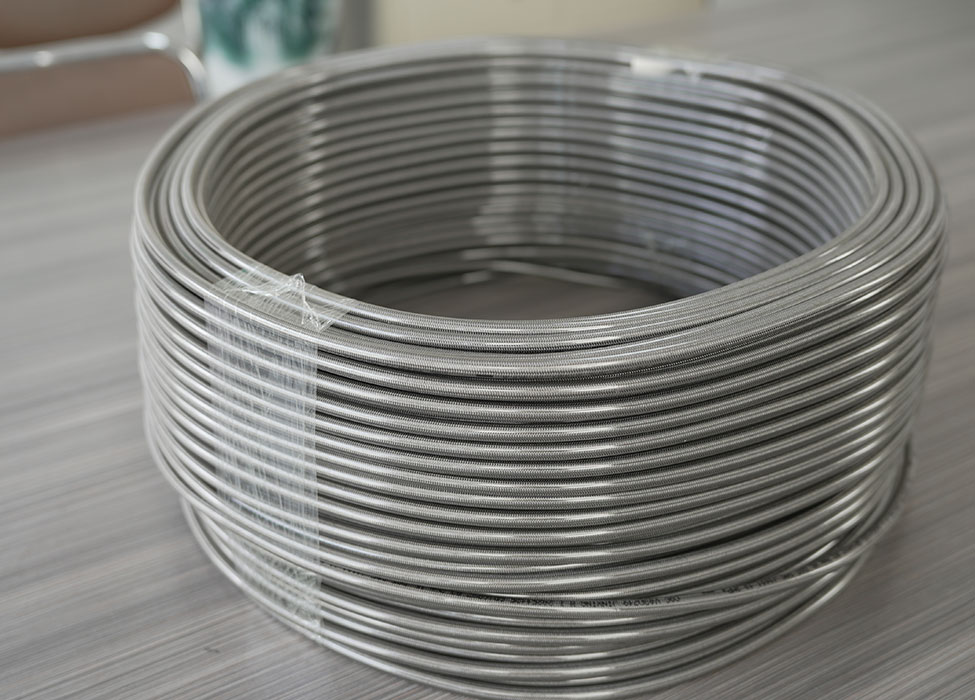
Nylon Brake Hose: Structure, Performance Characteristics, and Application Considerations
Nylon brake hose is widely used in certain automotive and light-duty braking systems due to its balance between flexibility, cost efficiency, and resistance to environmental factors. Compared with traditional rubber hoses, nylon-based brake lines offer improved dimensional stability and reduced permeability, making them suitable for specific applications where consistent hydraulic performance is required.
What Is a Nylon Brake Hose?
A nylon brake hose is typically manufactured using high-strength polyamide material as the primary layer, sometimes combined with reinforcement layers depending on the application. Unlike conventional rubber hoses, nylon hoses rely on material rigidity and controlled flexibility to maintain shape under pressure.
In some assemblies, nylon hoses are used as part of a complete brake line system, especially where routing stability and lightweight construction are important.
Key Performance Characteristics
1. Pressure Stability
Nylon brake hoses generally exhibit lower expansion under pressure compared to standard rubber hoses. This helps maintain more consistent brake pedal response, especially in systems where pressure fluctuation needs to be minimized.
2. Resistance to Environmental Conditions
Nylon materials offer good resistance to moisture, oils, and a range of chemicals typically encountered in automotive environments. This makes them suitable for regions with high humidity or exposure to road contaminants.
3. Dimensional Stability
Compared with softer materials, nylon maintains its shape more effectively over time. This is particularly useful in applications where routing accuracy and clearance are critical.
4. Lightweight Structure
Nylon brake hoses are lighter than many reinforced alternatives, which can be beneficial in applications where overall system weight is a concern.
Limitations and Considerations
1. Temperature Sensitivity
Although nylon performs well in many environments, prolonged exposure to high temperatures can affect its long-term durability. In high-heat zones, additional protection or alternative materials may be required.
2. Flexibility vs. Rigidity
Nylon hoses are less flexible than rubber hoses. Improper routing or tight bending during installation may introduce stress points, which can shorten service life.
3. Application Matching
Nylon brake hoses are not universal replacements. They must be selected based on system pressure requirements, vehicle type, and installation conditions.
Comparison with Other Brake Hose Materials
Nylon vs Rubber Brake Hose
Rubber hoses offer higher flexibility and are widely used in standard replacement markets. However, they may expand more under pressure and are more sensitive to aging in high-temperature environments.
Nylon vs PTFE Brake Hose
PTFE hoses provide excellent temperature resistance and minimal expansion, making them suitable for high-performance applications. Nylon, on the other hand, offers a more cost-effective solution for moderate-duty use.
Nylon vs Braided Brake Lines
Braided brake lines, typically reinforced with stainless steel, provide superior resistance to expansion and external damage. Nylon hoses are lighter and simpler but may not offer the same level of reinforcement.
Installation Guidelines
- Avoid sharp bends or excessive twisting during installation.
- Ensure proper clearance from moving parts and heat sources.
- Use correct fittings and verify sealing surfaces before installation.
- Follow recommended torque values to prevent leakage or fitting damage.
Typical Applications
Nylon brake hoses are commonly used in:
- Light-duty automotive braking systems
- Motorcycle brake line routing where weight is a concern
- Certain OEM assemblies requiring dimensional stability
- Aftermarket applications with controlled operating conditions
Maintenance and Inspection
- Inspect regularly for surface wear, cracks, or discoloration.
- Check connection points for leakage or corrosion.
- Replace hoses showing signs of stiffness or deformation.
- Ensure brake fluid compatibility with hose material.
Selection Advice for Buyers
When selecting a nylon brake hose, it is important to evaluate not only the material but also the complete assembly design. Buyers should consider operating temperature, pressure requirements, routing conditions, and target vehicle applications.
For export markets such as Southeast Asia, the Middle East, Japan, Korea, and Africa, environmental conditions vary significantly. Selecting the correct hose structure for each market can help reduce failure rates and improve long-term performance.
Conclusion
Nylon brake hoses offer a practical balance between performance and cost when applied correctly. While they may not replace high-performance solutions in extreme conditions, they remain a reliable option for many standard and controlled applications when proper installation and maintenance practices are followed.